Discovering the Sleeping Giant Archetype in Executive Leadership
When we analyze leadership archetypes, we often speak of the tyrant, the visionary, or the novice, to name a few.
But there's one that's much less common and less explored. It's a fascinating and contradictory archetype that, from time to time, I have the pleasure of encountering in executive coaching processes. I'm not aware of it having a formal name as such, which is why I identify it as the sleeping giant.
This archetype is dangerous because, from the outside, at first glance, it appears to have no problems whatsoever. Their results are excellent and they have a team that adores them. But something inside prevents them from savoring and enjoying their success; they operate with an operating system that's obsolete and, without realizing it, works against them.
I usually identify it based on the following defining traits:
Trait 1: The short-sighted visionary
On one hand, they're capable of seeing the company's future with crystal clarity, but are almost blind when it comes to their own greatness. Others see in them a high-impact leader (Top 10%) who achieves extraordinary results. But they feel: "I'm just surviving. I'm simply doing what's expected of me. I do just enough to keep us from sinking."
Typically, what's happening is they have such a severe "Inner Judge" that any achievement that isn't perfect seems normal to them, what's expected of them. Sometimes it reaches the extreme of "living in fear of being discovered" as a fraud, without knowing they're already a reference point for others.
Trait 2: The solitary helper
This is for me the most confusing trait. When we observe the leader, we see they're warm, approachable, mentor their team, and care for their people. The impression they give is of the most accessible leader in the world. But when we dig a little deeper, we begin to see that perhaps things aren't what they seem: they let people approach, but don't usually let them in.
An analogy that comes to mind would be a doctor in a war zone: heals everyone, but doesn't let anyone see their wounds. Sometimes what happens to these leaders is they use "helping" as a shield. They maintain a safe emotional distance. If they're always busy caring for the team, they don't have to show that they too have doubts or fears.
Trait 3: The exhausted peacemaker (Their energy leak)
This leadership archetype pays an invisible tax: the tax of people-pleasing. This tax leads them to spend an immense amount of energy making sure they're liked, not making anyone uncomfortable, preserving harmony, and avoiding conflicts.
But the reality is that their environment/team isn't asking this of them. In fact, they would surely value their frankness more than their excessive kindness. The worst that can happen is that, in wanting to keep everyone happy, they end up diluting their own voice. Their authenticity remains contained for fear of breaking the harmony.
If you identify with this archetype, the solution isn't working more hours, taking more courses, or learning more models. Your work is internal:
- Accept that your perception of "not enough" is a lie from your mind, not a reality.
- The next time you feel doubt, share it with your team. Vulnerability won't make you weak; it will make you human and trustworthy.
- Stop paying the tax of people-pleasing. Your team needs your truth, not your constant kindness.
The Giant awakens the day they decide they no longer need to prove anything, and simply start to be.
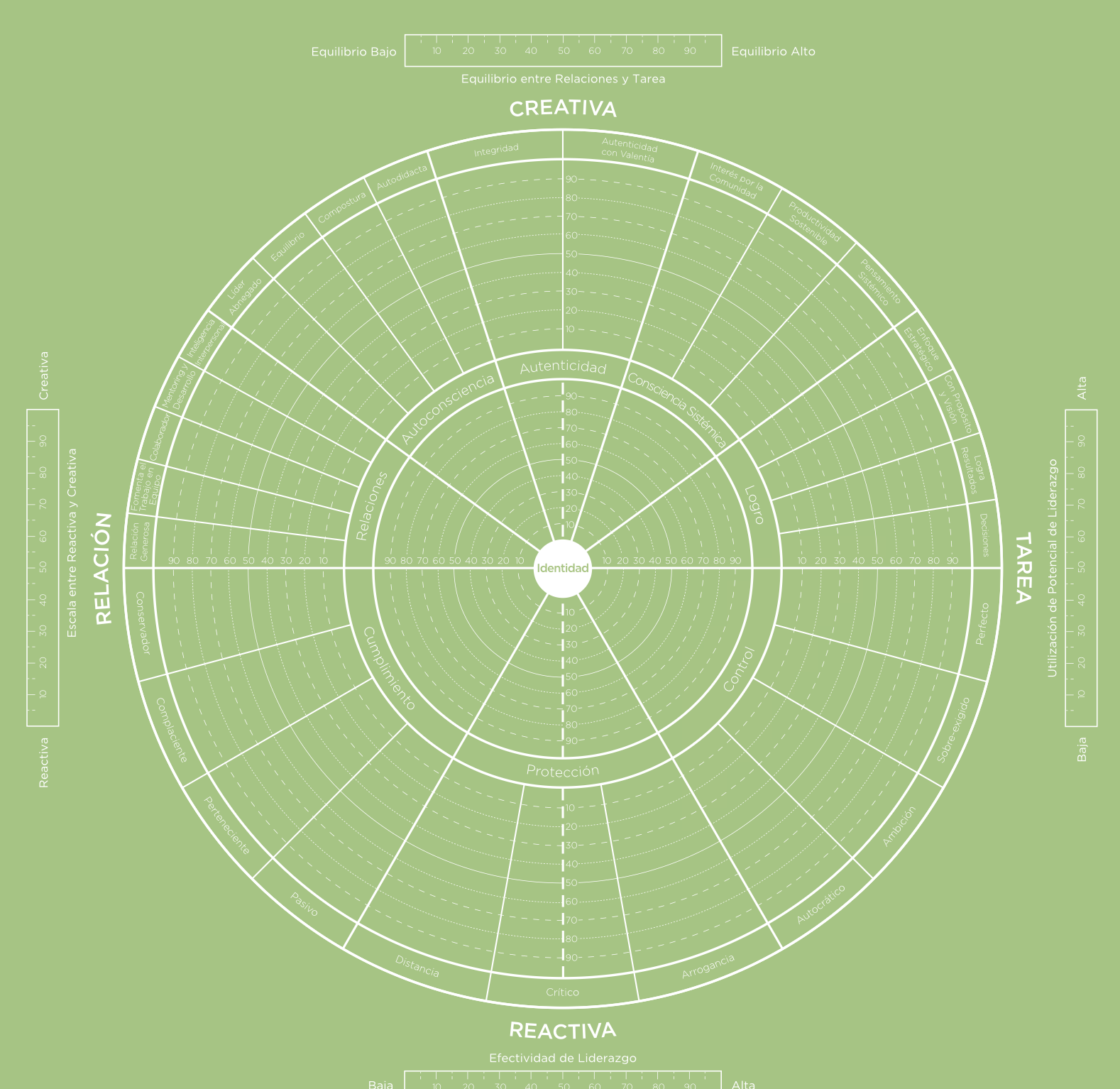
If you're interested in The Leadership Circle model, you'll find more information here.
Did this resonate?
If this connects with something you're working on, let's talk.
30 minutes by video call. No commitment. You'll know if I can help and, if I can't, I'll tell you who can.
Book a conversation →